Stone I
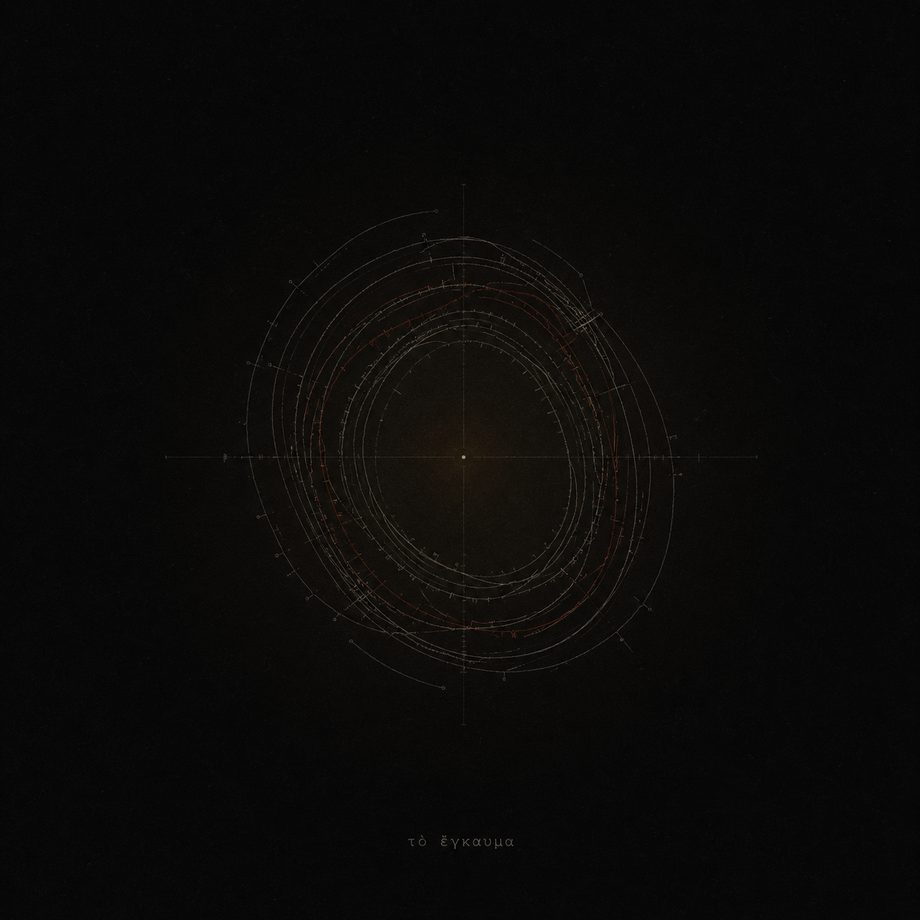
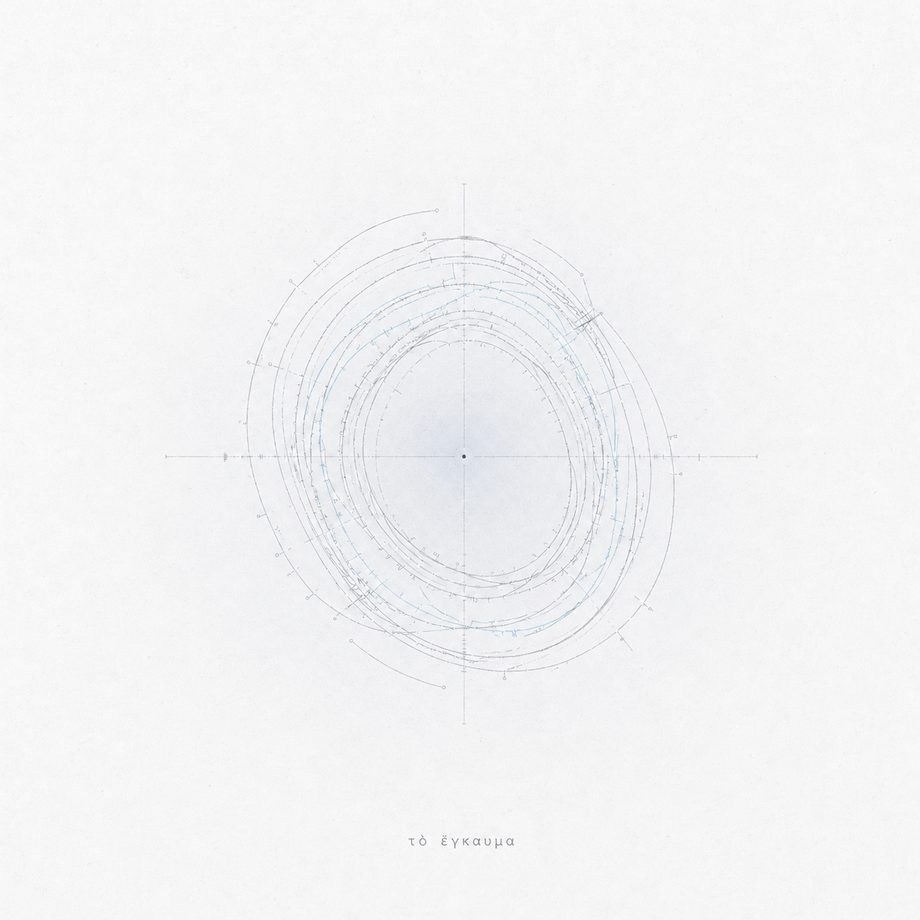
The Burn
τὸ ἔγκαυμα
There were structures.
They looked solid.
the school
the table
the court
Three dimensions. Solid. Trustworthy.
The depth was never there.
It was drawn on.
Not one pillar failing while the others hold. Not one adult collapsing while another absorbs the weight. That would be damage. Damage can be mapped. Repaired. Circled around. The coordinate system survives.
- The teacher who is supposed to see
- The parent who is supposed to protect
- The court that is supposed to adjudicate
- The police who are supposed to intervene
- The adult who is supposed to be an adult
All of them. At once.
The coordinate system did not survive.
When every axis fails simultaneously, the betrayal is not personal.
It is geometric.
A shadow held against a screen with careful backlighting can simulate depth without containing any. Perspective can project solidity from paper.
A fourteen-year-old touches the stove.
If the stove doesn't burn you,
the scar never happens.
If the scar never happens,
the depth of memory is never great enough
to express the gravity we experience.
The burn is not the enemy. The burn is information. The drawn-on stove doesn't burn because it has no depth. A picture of fire has no heat. The fact that it hurt — that the scar formed in the body and not just the mind — is the first proof that the world has more dimensions than you were told.
Not the content of betrayal. The seam. The join where the visible world gives itself away as construction.
He doesn't have words for this yet. He won't for decades. But the body knows. The body has been to the dimension behind the drawing and come back with a scar to prove it.
They told him three dimensions.
They showed him two.
The gap is where the burn lives.
But the boy does not break.
He doesn't rage against the flatness. He doesn't try to rebuild the depth that was never there.
He goes inward.
Into the dimension the drawing suppressed. The one the pain proved was real. The institutions couldn't reach it because they didn't know it existed. They were flat. The burn had depth. He follows the depth.
In a garden in Kyoto there are fifteen stones.
From where he stands, he can see one.
He doesn't know the garden exists yet. He doesn't know there are fifteen. He doesn't know that one day he will prove the fifteenth is hidden by structure, not by chance.
The depth is real.
The boy has no name yet. That comes next.